
McDevitt Sotheby's Southern Pines Home | About Us | Contact Us | For Sale | Buyers | Sellers | Our Area | FREE DVD

New Tax Incentives for First Time Homebuyers Benefit - Pinehurst, NC

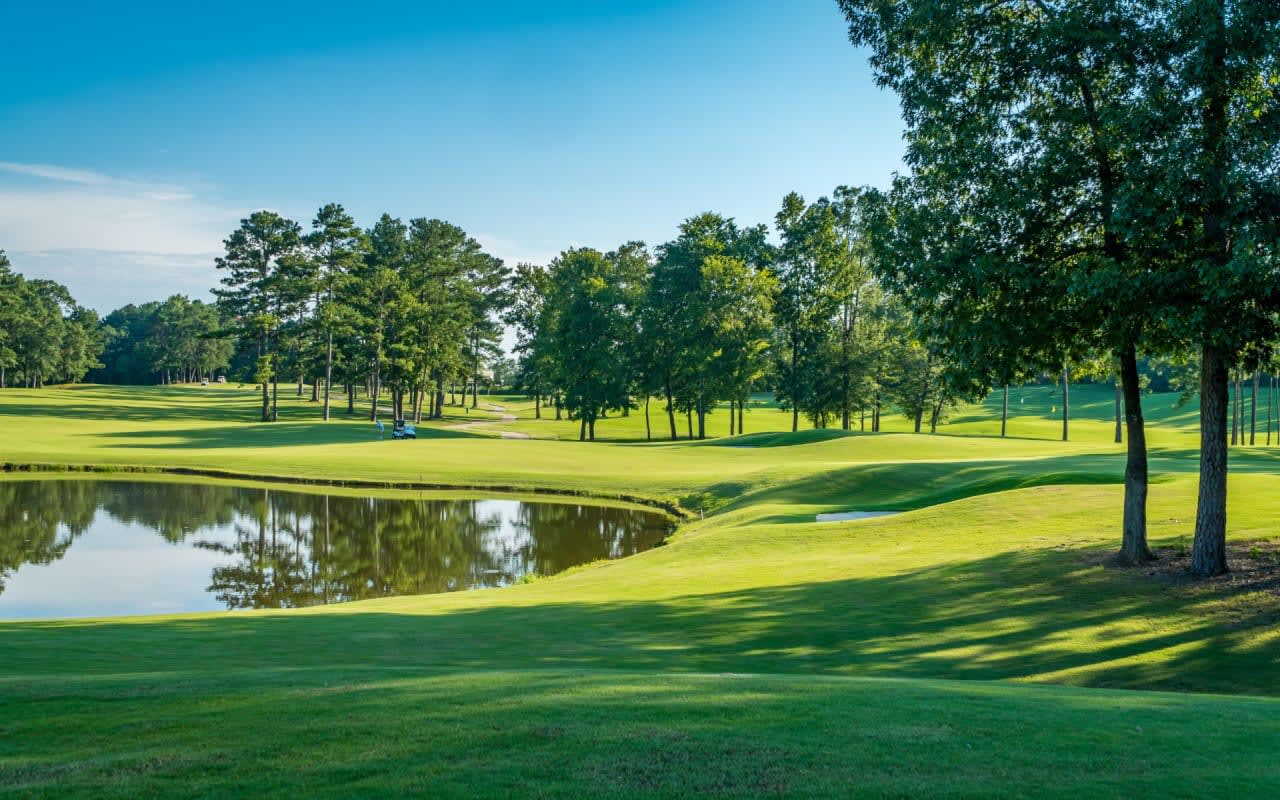
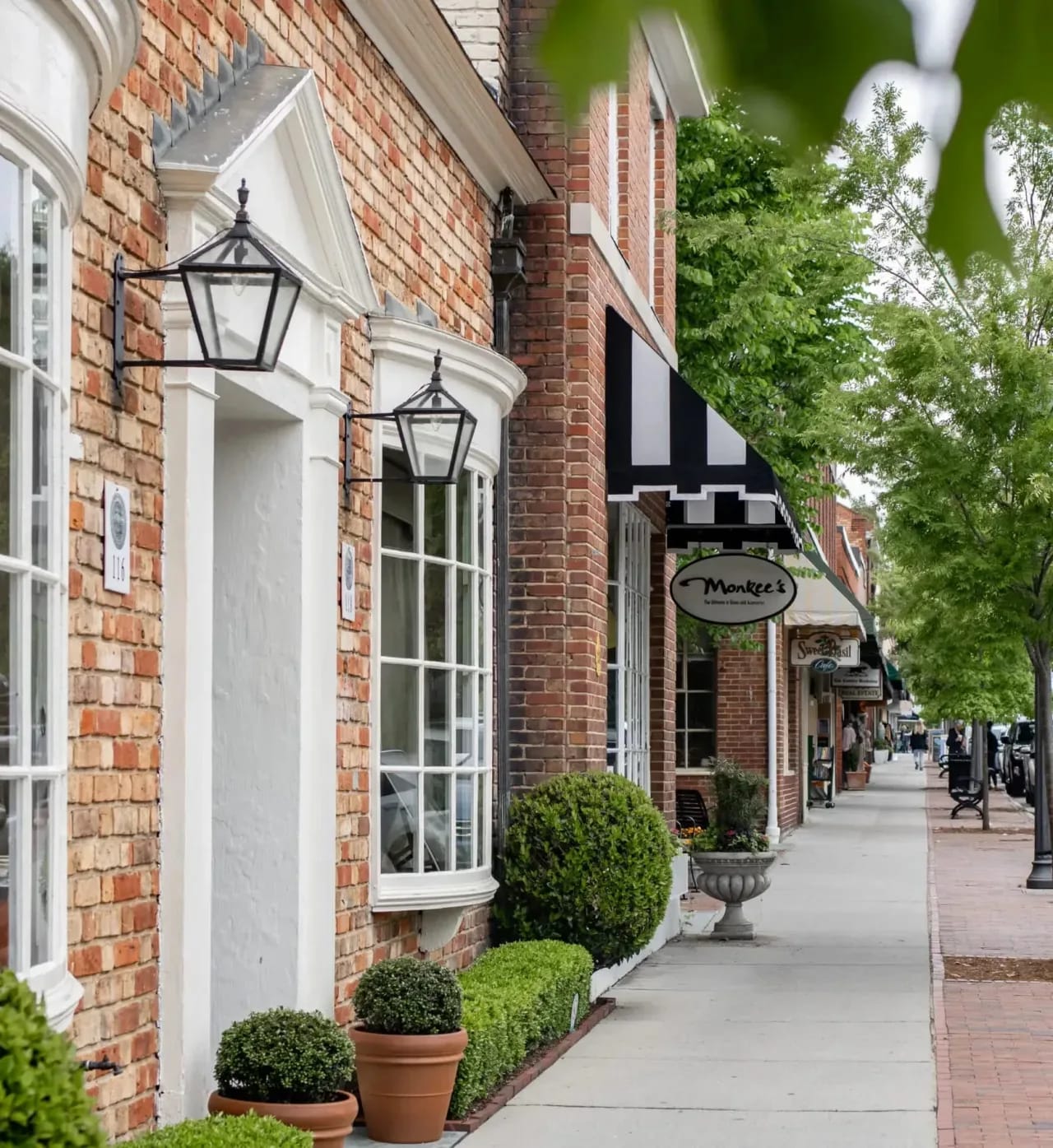
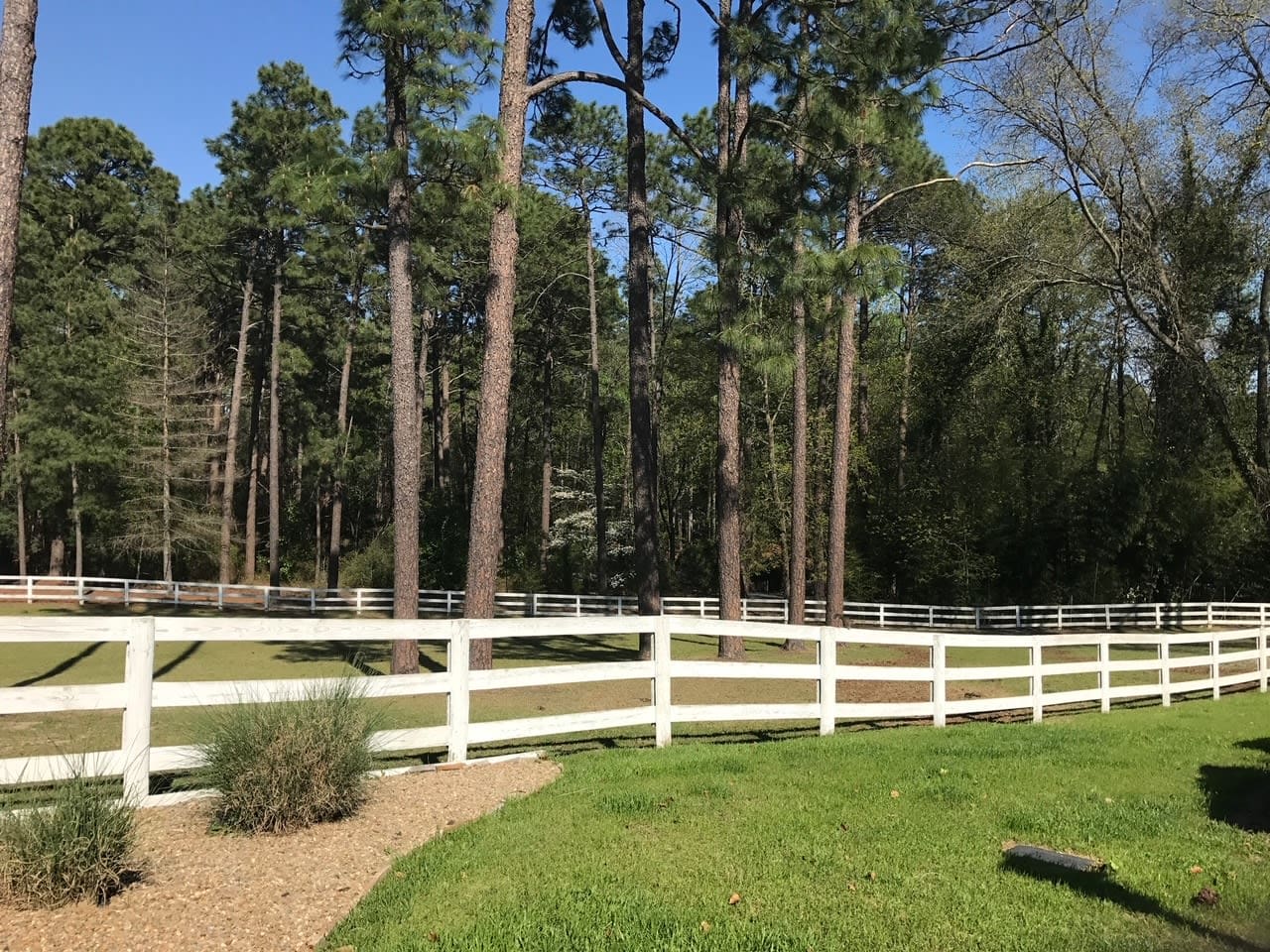
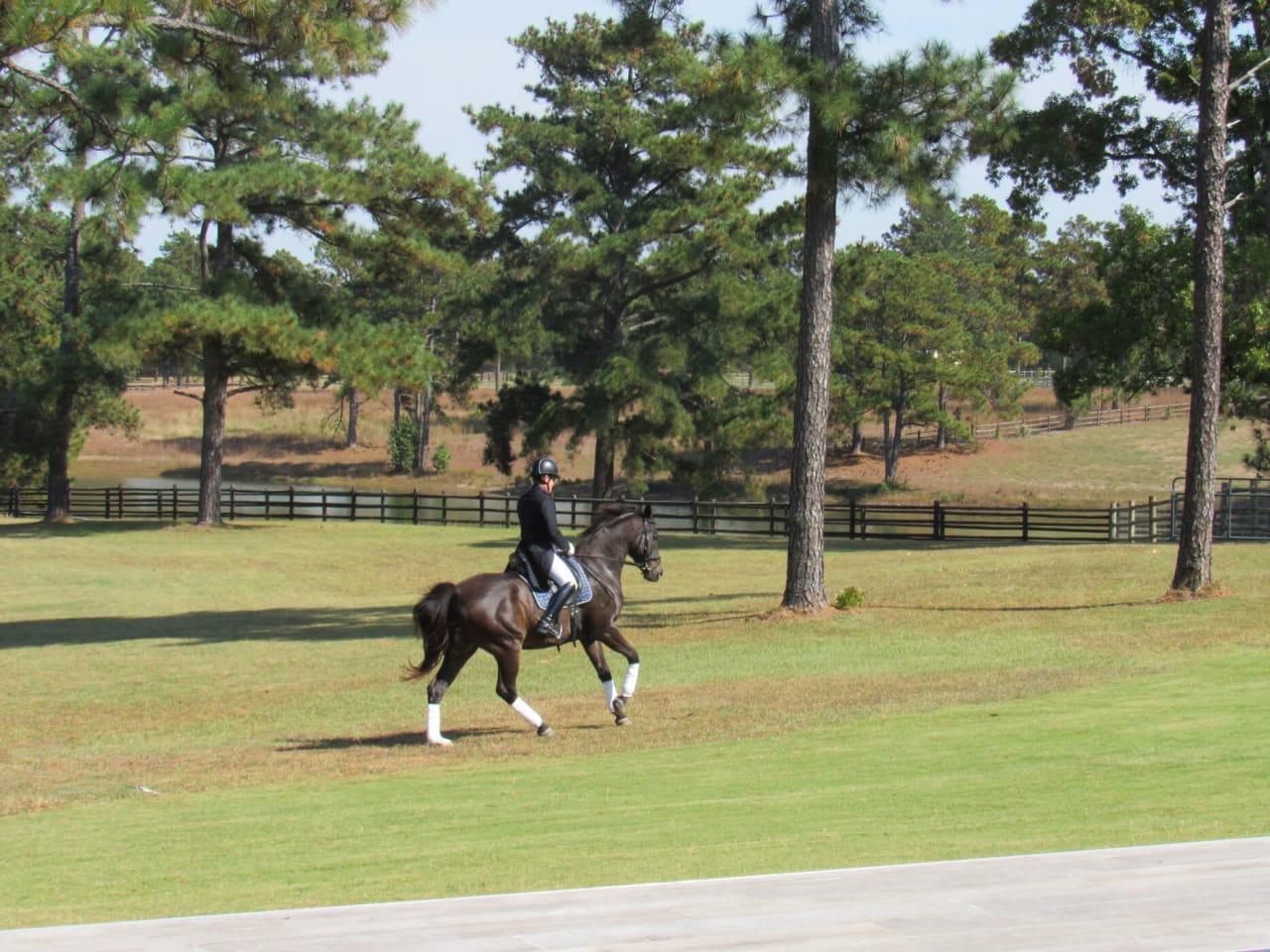
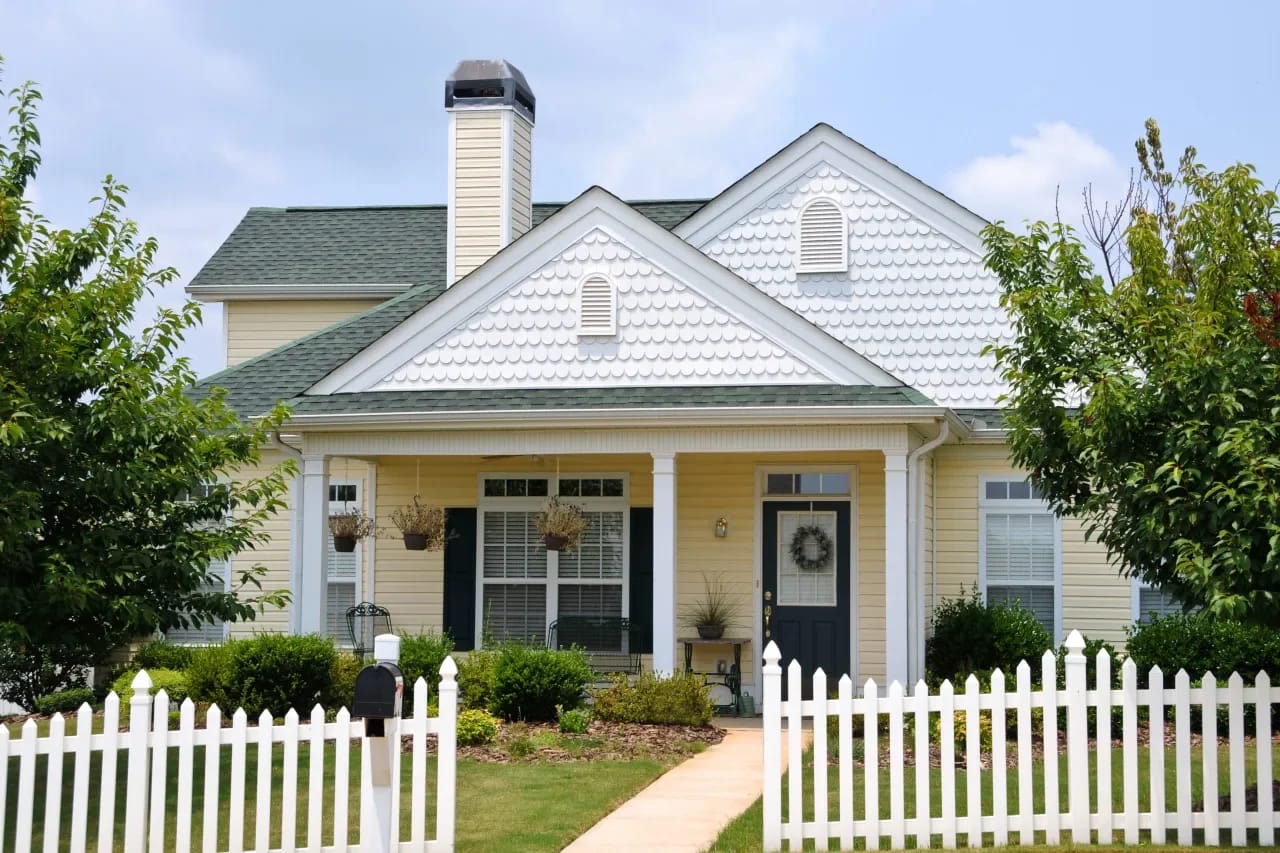
Images of Pinehurst, southern pines, whispering pines and seven lakes

If you are a first time homebuyer looking for a home in Pinehurst, Southern Pines, Aberdeen or any other place in Moore County, Congress just provided a great incentive to buy real estate.

The new law is designed to give people the financial incentive to buy a house. For some people, the incentive could be huge. For other people, it might not be such a great benefit. Here's what I've learned about the new law. It seems to me that first time homebuyers will benefit the most.

A “first time homebuyer” is defined as someone who has not owned the home they have lived in for the last 3 years. First time homebuyers can qualify for a tax credit of up to $7,500 when they buy a home. The catch to the bill is that it is initially a tax credit to be paid back interest free over 15 years or upon the sale of your home.  If you sell your home and don't have enough equity to repay the credit, it is forgiven.

Any person who is a first time buyer (as defined above) and is a U.S. citizen who files taxes is eligible to participate in the program. To qualify, buyers must close on the sale of the home on or after April 9, 2008 but before July 1, 2009.

There are income limits. Single or head-of-household taxpayers can claim the $7,500 credit in full if their adjusted gross income (AGI) is less than $75,000. For married couples filing jointly, the limit is $150,000. Single or head-of-household taxpayers between $75,000 and $95,000 are eligible to receive a partial first-time home buyer tax credit. This applies to married couples earning between $150,000 and $170,000.

If a taxpayer pays less than $7,500 in federal income taxes, the IRS will pay them the difference. For example, if $5,000 in federal taxes is owed, the taxpayer would pay nothing and a $2,500 payment would be paid by the IRS. If a qualifier was owed a $1,000 tax refund, they would receive $8,500. The tax credit can be taken on a Buyer's 2008 or 2009 tax return. Those who close in 2008 take the credit on their 2008 return. Closing in 2009 gives a buyer an option of taking the credit on either the 2008 or 2009 returns.

The tax-credit program also has a payback clause; and it is basically an interest-free loan to be paid back over 15 years. For example, a homebuyer with $7,500 credit would have to repay the credit in the amount of $500/year. If he sells the home, then the remaining credit would be due from the profit of the sale of the house. If there's enough profit, the rest of the payback would be forgiven.

FAQ's

1. Who is eligible for the $7,500 tax credit?

First time home buyers purchasing any kind of home are eligible.

2. Who is a first-time home buyer?

"First-time home buyer" is defined in the law as a buyer who has not owned a principal residence during the 3 year period prior to buying a home.

3. Which homes qualify for the tax credit?

Any home purchased by an eligible first-time home buyer will qualify, if the home will be used as a principal residence and the buyer has not owned a home in the previous 3 years. This includes single-family homes, townhouses, and condominiums.

4. Are there income limits?

Yes. Home buyers who file taxes as single or head-of-household can get the credit if their modified adjusted gross income (MAGI) is under $75,000. For married taxpayers filing a joint tax return, the MAGI limit is $150,000. The limit is based on the buyer's modified adjusted gross income for the year of the purchase, except for certain purchases in 2009. 

5. The tax credit is refundable. What does that mean?

That the credit can be claimed even if the taxpayer has little or no federal income tax liability to offset. Typically this involves the government sending the taxpayer a check for a portion or even the entire amount of the refundable credit.

6. What is the difference between a tax credit and a deduction?

A tax credit is a dollar-for-dollar reduction in what the taxpayer owes. That means that a taxpayer who owes $7,500 in income taxes and who receives a $7,500 tax credit would owe nothing to the IRS.

7. Does the credit have to be paid back to the government? If so, what are the payback provisions?

Yes, the credit must be paid back without interest over 15 years or when they sell the house, if there is sufficient capital gain from the sale. For example, a $7,500 credit would be repaid at $500/year, beginning 2 years after the credit is claimed. If the credit is claimed on the 2008 return, a $500 payment is not due until the 2010 tax return is filed. If the home owner sold the home, then the remaining credit amount would be due from the profit on the sale. If there was insufficient profit, then the remaining credit payback would be forgiven.

8. Isn't the program really a zero-interest loan rather than a traditional tax credit?

Yes! Because the tax credit must be repaid, it operates like a zero-interest loan. Assuming an interest rate of 7%, that means the home owner saves up to $4,200 in interest payments over the 15-year repayment period. Compared to $7,500 financed through a 30-year mortgage with a 7% interest rate, the home buyer tax credit saves home buyers more than $8,100 in interest payments.

To learn more about the program, you should consult with an accountant or tax preparer to calculate how the program might apply to your specific situation. If you want to take advantage of this program, consult with your accountant before buying a home, not after!

To search for all homes in the Pinehurst, NC Area MLS priced under $250,000, CLICK HERE.


Search Properties
Phone us!

(800) 788-8814
(910) 693-7901

Email us!

Community Profiles

Aberdeen
Cameron
Carthage
The Fields
Foxfire
Hoke County
Pinehurst
Seven Lakes
Southern Pines
Whispering Pines
White Oak
Woodlake

Pinehurst Office
105 Magnolia Avenue
Pinehurst, NC 28374
Southern Pines Office
165 E Pennsylvania Avenue
Southern Pines. NC 28387

real estate logos